Malauva Casa Agricola
Alfina Plateau
Italy
Natural wine
Working farm
Slow living
Slow living

Location
Alfina Plateau, border of Umbria, Lazio & Tuscany
Setting
Vineyard, Plateau
Era
Historic estate, restored from 2017
Type
Agriturismo
Style
Natural, Artisan restoration
Scale
5 double rooms
Open During
Year-round
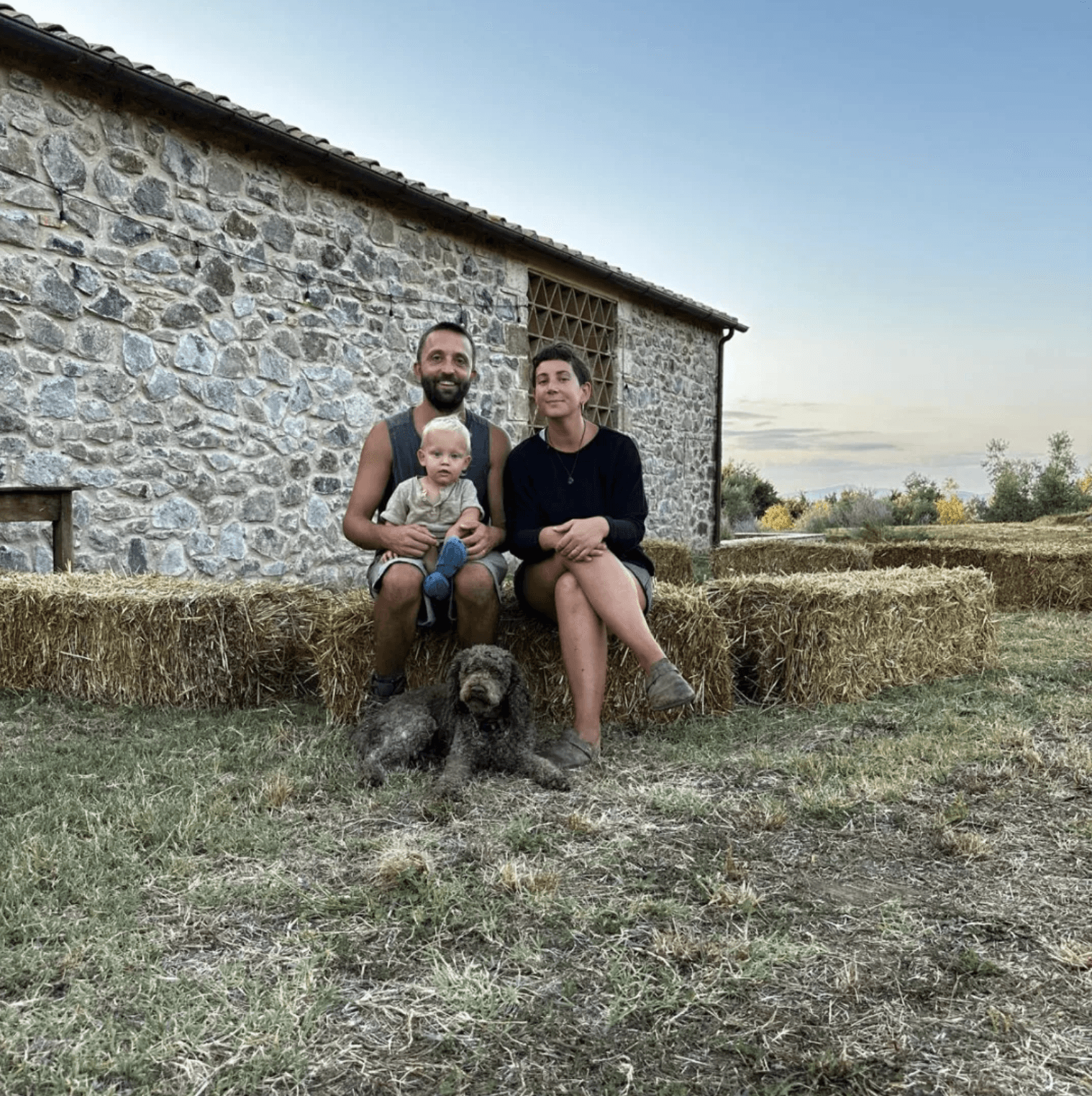
On the Alfina plateau where Umbria, Lazio, and Tuscany converge, Malauva Casa Agricola is a natural wine estate and five-room guesthouse run by the young family of Eliza and Giovanni.
Wake up to the vineyard's light
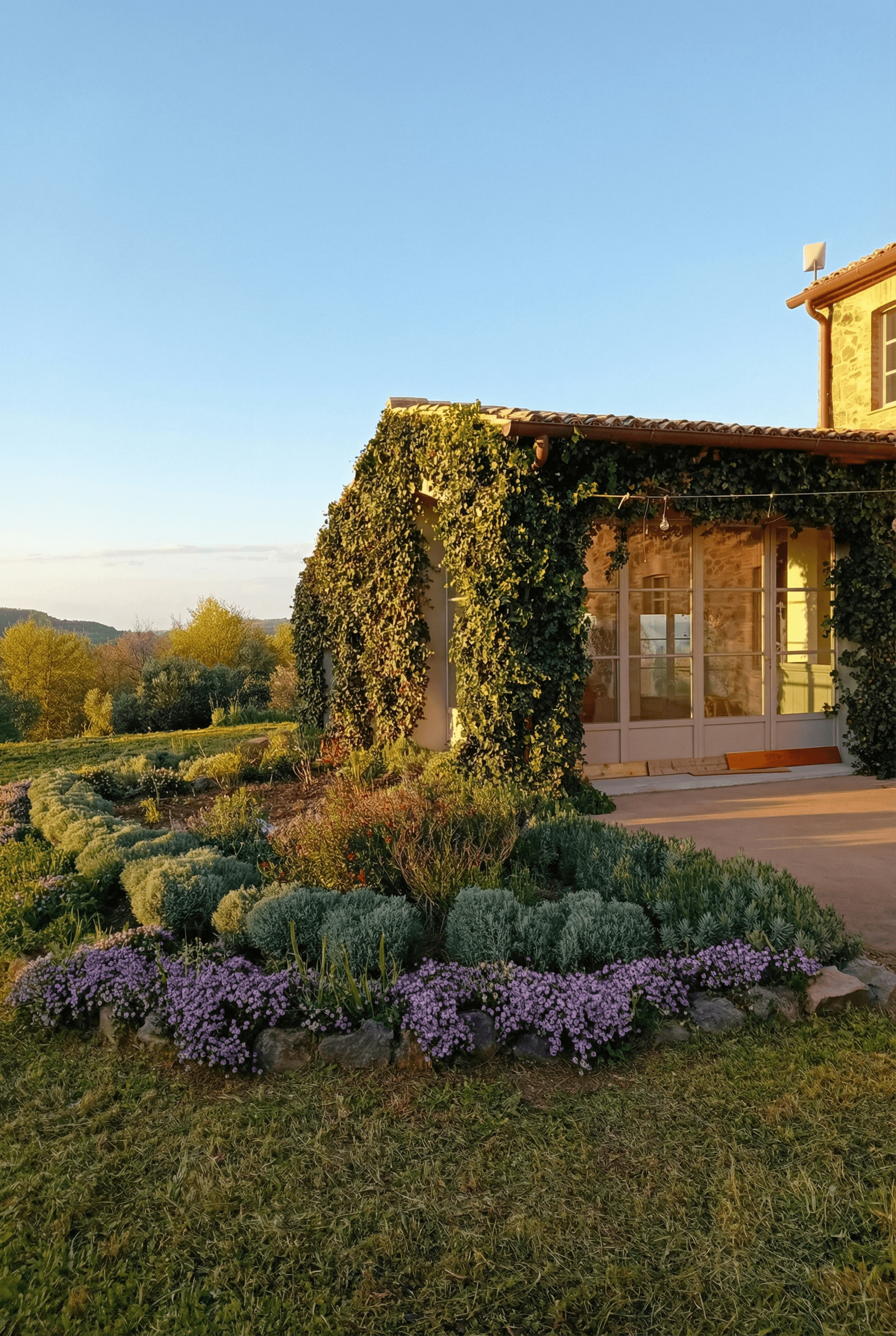
At 500 metres on the Alfina plateau, the air is cooler than you expect and the landscape - vines, olive trees, and stretches of woodland - still carries the unhurried quality that the more visited corners of central Italy have been losing for years. Malauva sits here, a few minutes from the nearest village and a few hours from Rome. Eliza and Giovanni rebuilt it slowly, by hand, with a small team and a clear idea of what it should become: a working farm that makes wine from its own volcanic soils, and opens its doors to guests who want to understand what that actually means.
Wake up to the vineyard's light
At 500 metres on the Alfina plateau, the air is cooler than you expect and the landscape - vines, olive trees, and stretches of woodland - still carries the unhurried quality that the more visited corners of central Italy have been losing for years. Malauva sits here, a few minutes from the nearest village and a few hours from Rome. Eliza and Giovanni rebuilt it slowly, by hand, with a small team and a clear idea of what it should become: a working farm that makes wine from its own volcanic soils, and opens its doors to guests who want to understand what that actually means.


Meet
the hosts
Eliza grew up in Turin, while Giovanni is from Rome. They met during an Erasmus semester in Seville, somewhere between long conversations about politics, the environment, and a shared unease about where conventional careers were pointing.
In 2012, they bought a camper van and spent five years WWOOFing across central Italy to learn the ins and outs of agriculture and winery. By 2017 they were ready to plant roots. The property that would become Malauva was waiting. They started clearing the land, rebuilt the structures, and began making wine. They've been at it ever since, now with two young children alongside.
What you will
find here
Natural wine
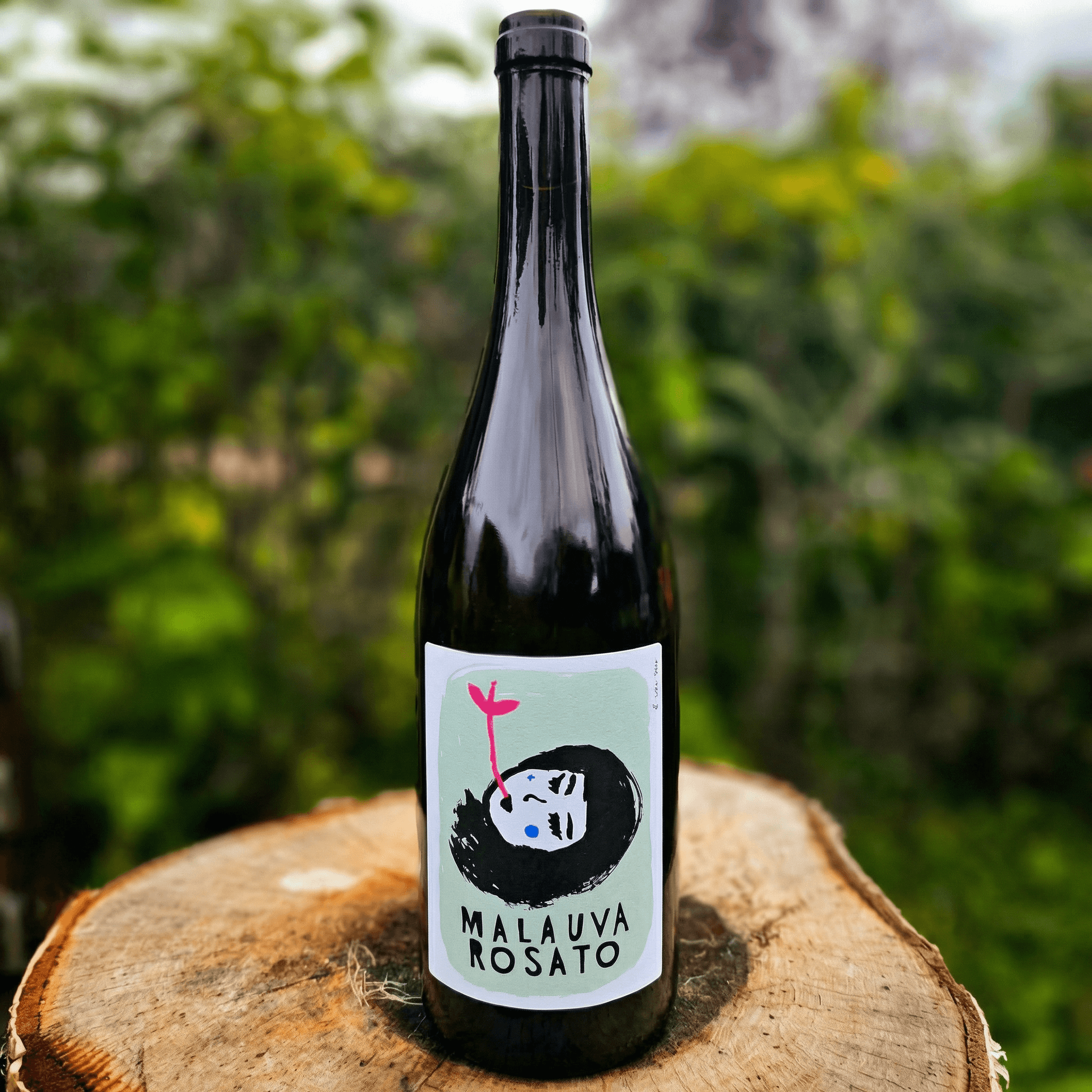
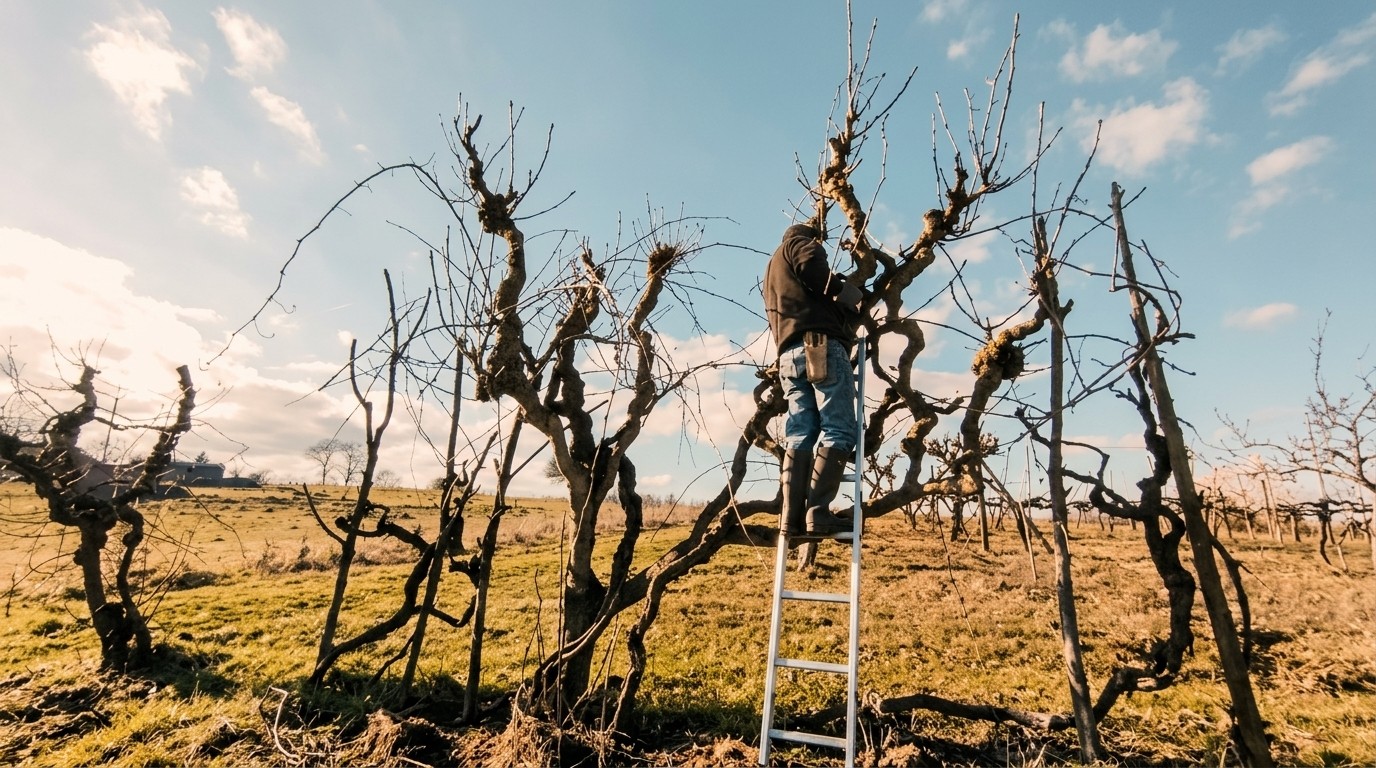
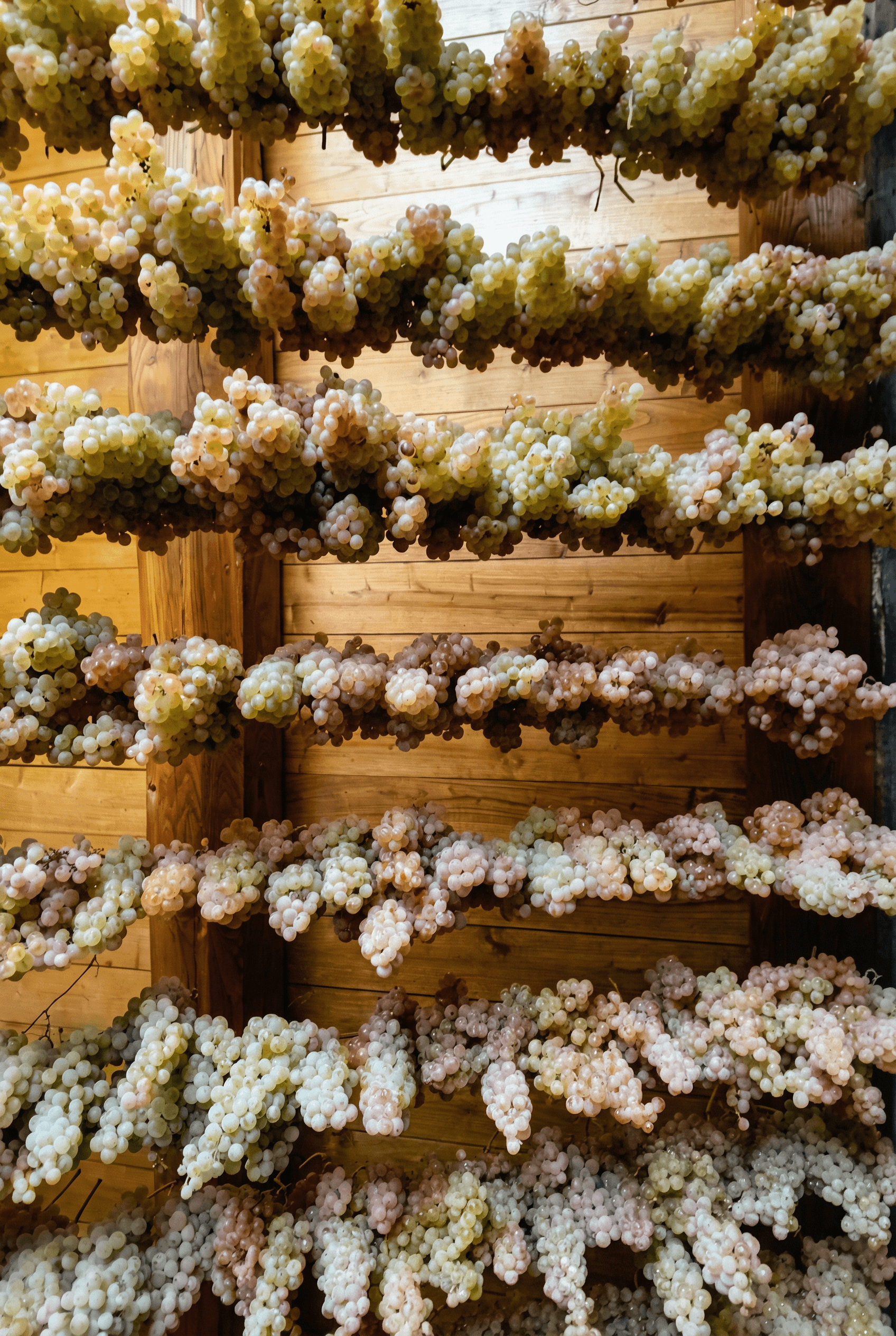
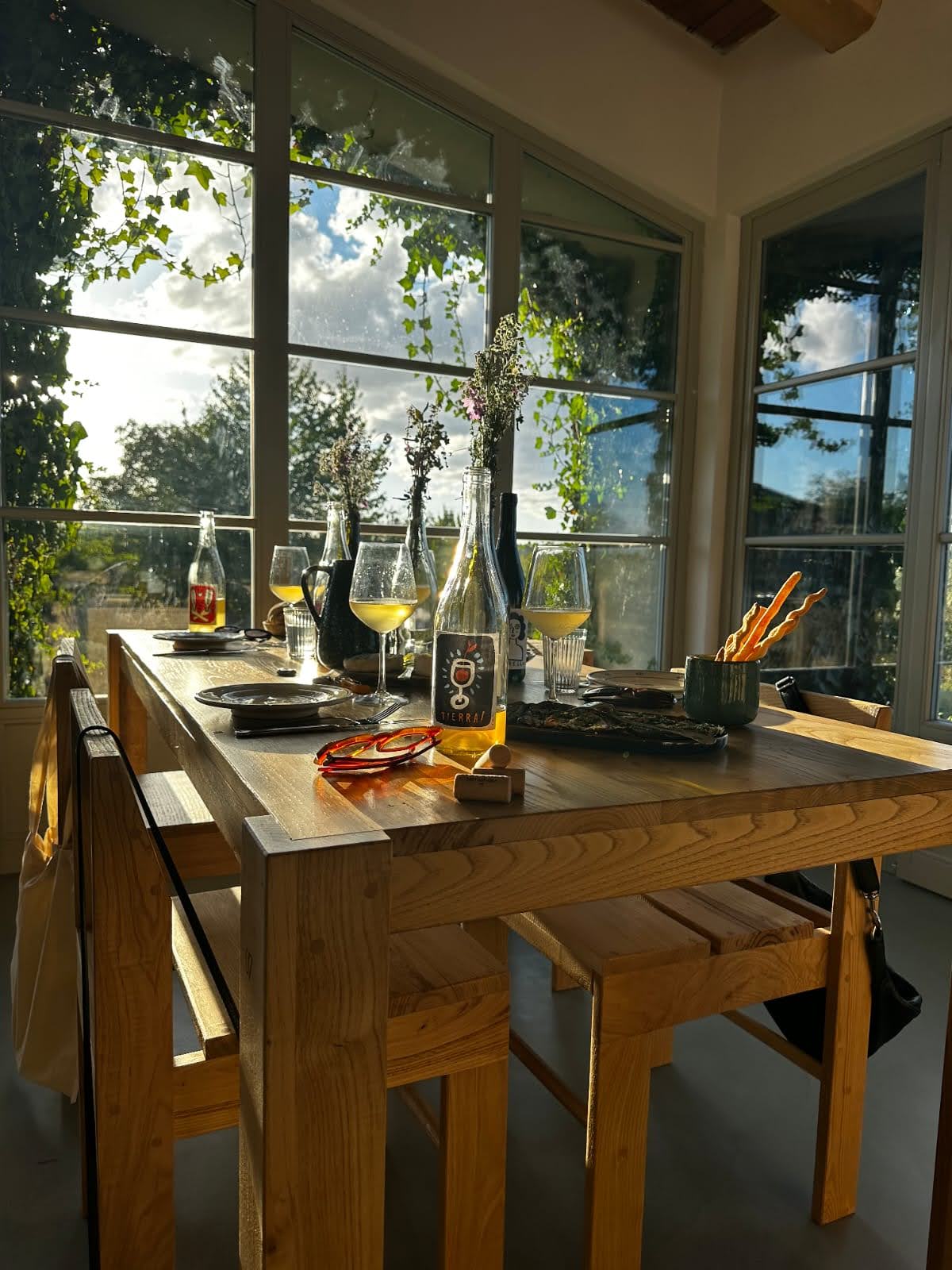
Malauva is a winery first. The 3.5 hectares of vines grow on volcanic soils above an ancient crater, farmed with no additives and minimal intervention - so the grapes and the plateau they came from can speak clearly. Vineyard walks and cantina tastings are at the heart of every stay.

Honest restoration
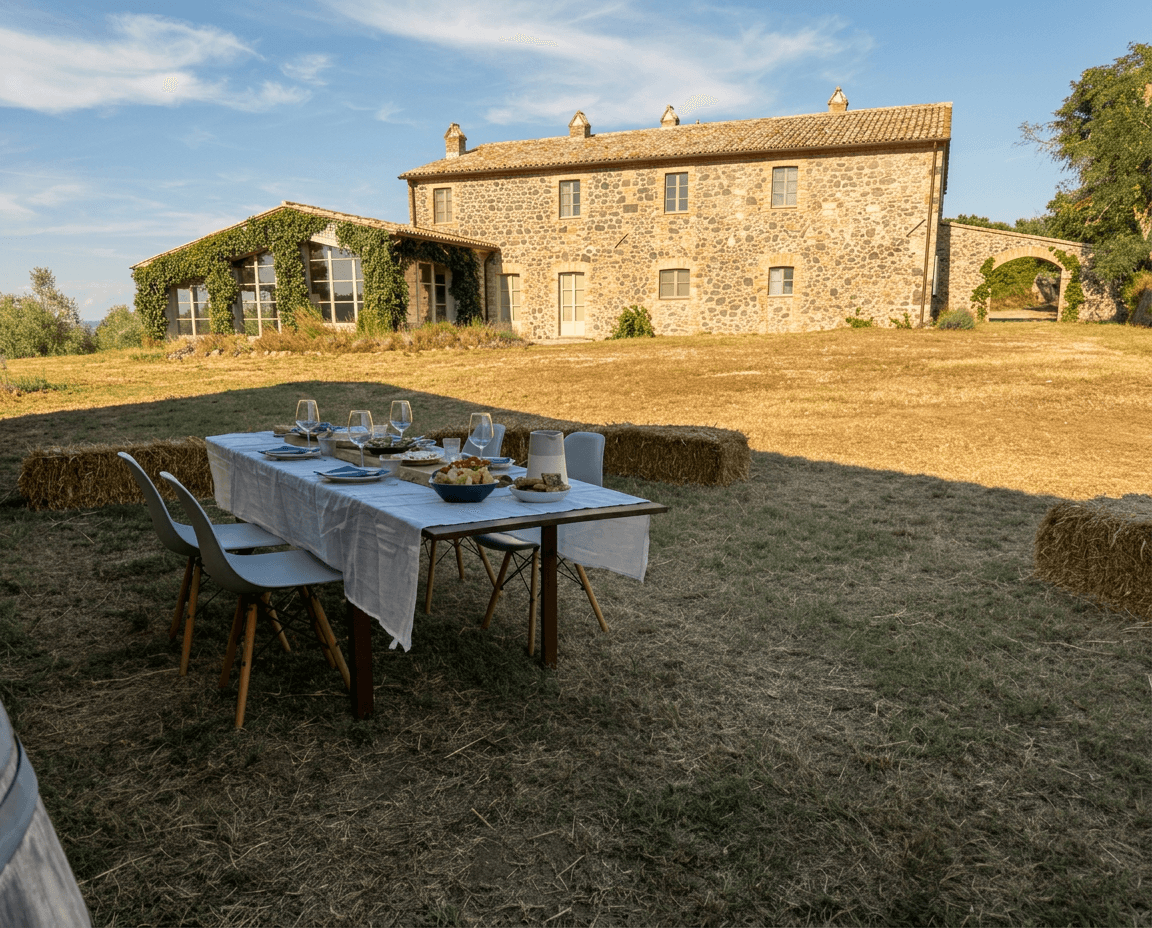
Original terracotta floors, lime-based mortars, timber from the property's own woods. The renovation was done by local artisans using materials sourced from small regional workshops. The house carries its history visibly, and that's exactly the point.

True slowness
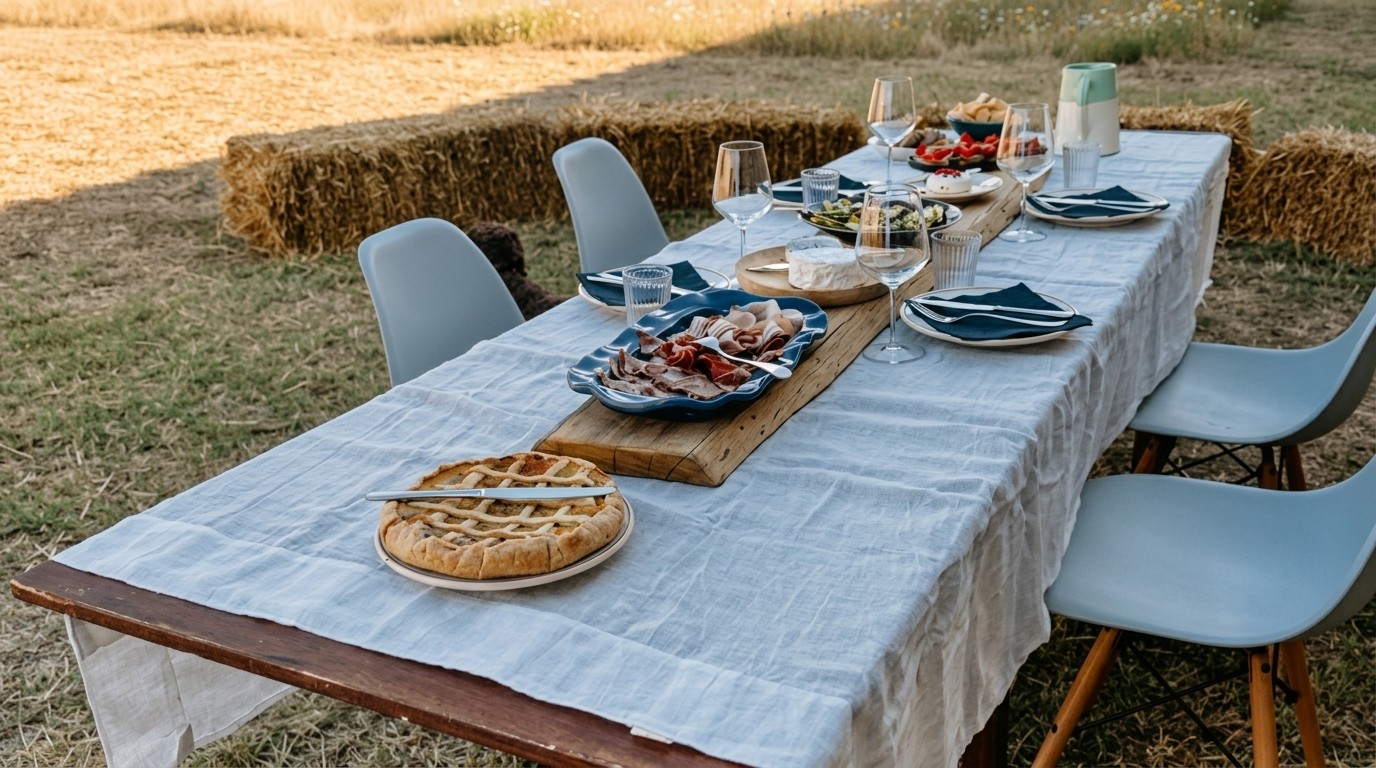
Breakfast at Malauva isn't a time slot. It's a conversation that stretches into the morning - about the day ahead, the vines, the story of the house. Guests who come looking for a rural weekend tend to leave having experienced something closer to a way of life.
Malauva Casa Agricola
Five years of moving between other people's farms, ended with a decision to build everything from scratch.
Vines, wine, a home, a family, and a way of hosting that grows at the same pace as everything else here. Malauva's story is still in motion, and that's precisely what makes it worth telling.

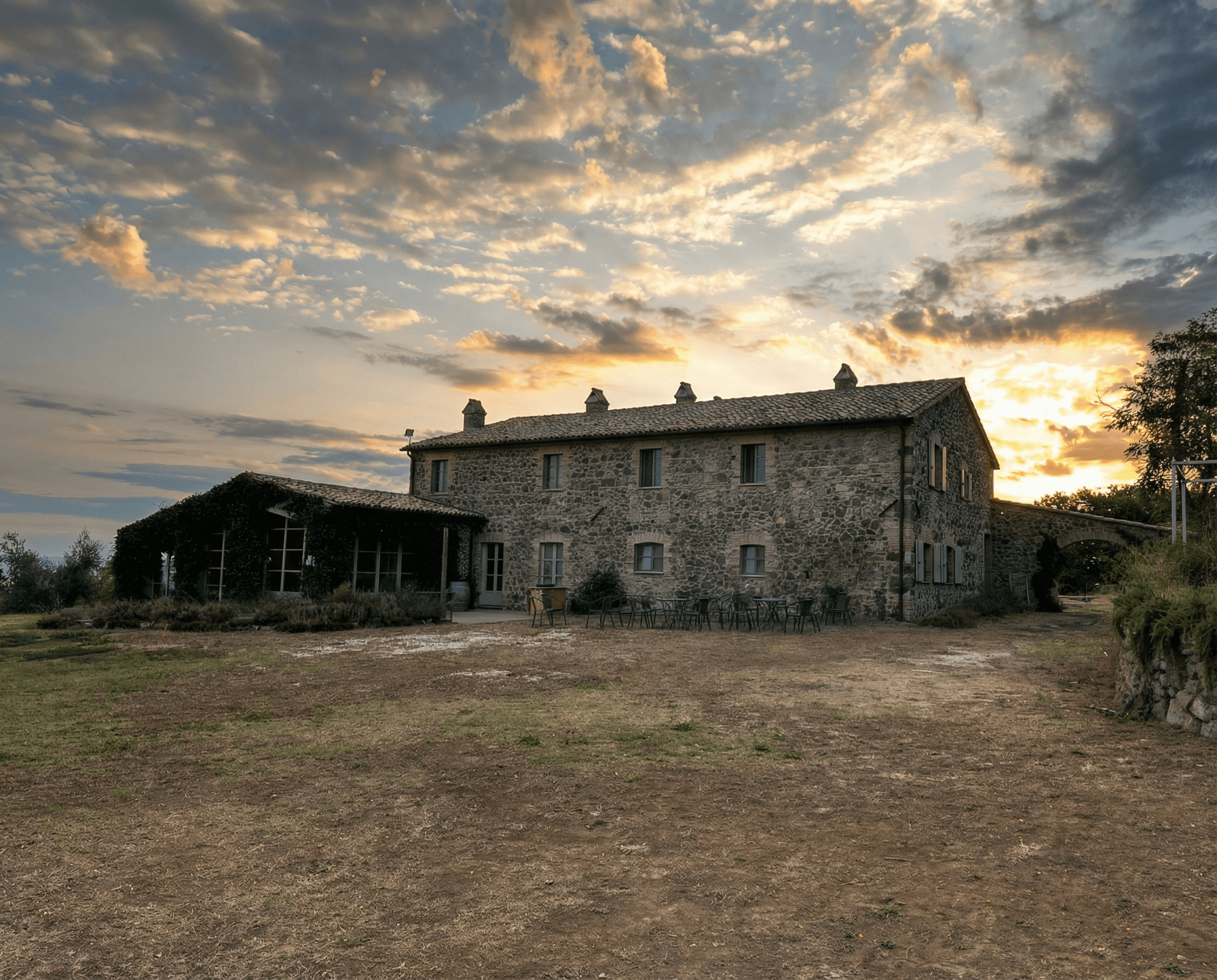
The property Eliza and Giovanni found in 2017 carried a long history and a great deal of silence. "An old estate once owned by a noble family and home to three farmer families under the traditional mezzadria sharecropping system, abandoned since the 1980s." No water or electricity, the roof collapsed in places, six hectares of land - including 3.5 under vines and about one hectare of olive groves and fruit trees - waiting for someone willing to start again. Slowly, with a small team and sustained manual work, they cleared the land and rebuilt the structures.
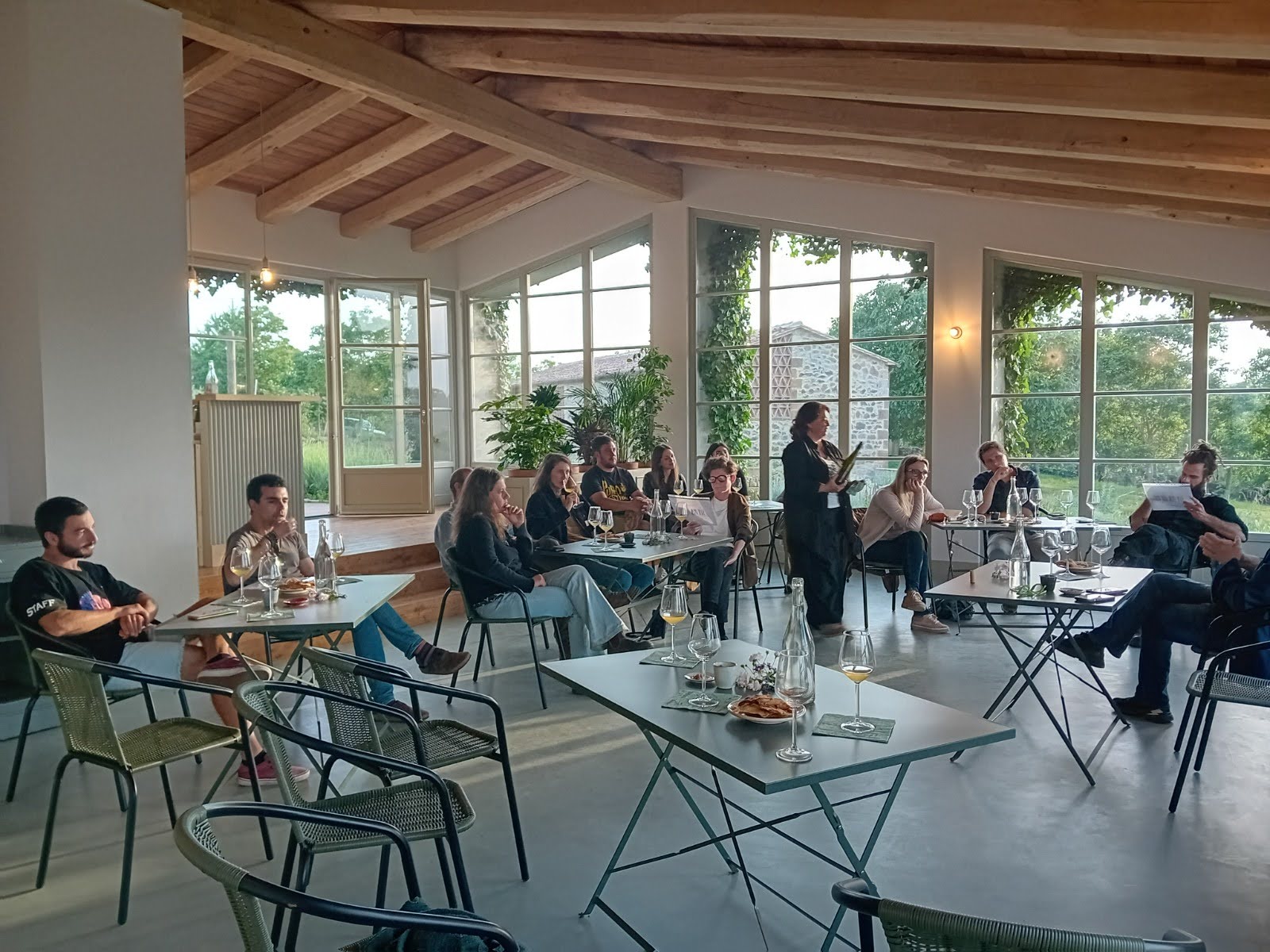
The first vintage came in 2018, vinified in a friend's cantina while they were still learning. Between 2019 and 2021 they continued there, refining their process harvest by harvest. In 2022, they converted a former pig stable on the property into their own cantina - the building where grapes now arrive at harvest, where the wines ferment and rest, and where guests step in for tastings.

The farm's history runs deeper than its visible layers. "Old Etruscan tombs below ground have been repurposed as cellars, allowing the wines to age in naturally cool, stable conditions that are both practical and evocative of the territory's ancient layers." The renovation above ground followed the same respect for what was already there: local artisans, recovered original terracotta floors, lime-based mortars, materials from small regional workshops. Heating comes from wood combustion using timber from the property. Solar panels cover most of the electricity needs. The farm stays close to energy self-sufficiency while remaining grid-connected - a practical balance that reflects how Elisa and Giovanni approach most things: with clear values and without dogma.
Five rooms opened in January 2025, but Malauva had already been receiving people for a year before that - through monthly events, tastings, and informal gatherings that gave the local community and early visitors a sense of what the place was becoming. The guests who find their way here now tend to know what they're looking for. Many come from Rome, drawn by natural wine and the pull of somewhere that feels genuinely rural but reachable. Others are moving along wine routes across Italy. "Rather than rushing onto major booking platforms, Malauva has so far chosen slower, more relational ways of being discovered" - working mainly through Instagram and word of mouth, reaching people willing to read the story before they book. It is, as Elisa and Giovanni would put it, growth that feels coherent with the land and their family life.

The property Eliza and Giovanni found in 2017 carried a long history and a great deal of silence. "An old estate once owned by a noble family and home to three farmer families under the traditional mezzadria sharecropping system, abandoned since the 1980s." No water or electricity, the roof collapsed in places, six hectares of land - including 3.5 under vines and about one hectare of olive groves and fruit trees - waiting for someone willing to start again. Slowly, with a small team and sustained manual work, they cleared the land and rebuilt the structures.
The first vintage came in 2018, vinified in a friend's cantina while they were still learning. Between 2019 and 2021 they continued there, refining their process harvest by harvest. In 2022, they converted a former pig stable on the property into their own cantina - the building where grapes now arrive at harvest, where the wines ferment and rest, and where guests step in for tastings.

The farm's history runs deeper than its visible layers. "Old Etruscan tombs below ground have been repurposed as cellars, allowing the wines to age in naturally cool, stable conditions that are both practical and evocative of the territory's ancient layers." The renovation above ground followed the same respect for what was already there: local artisans, recovered original terracotta floors, lime-based mortars, materials from small regional workshops. Heating comes from wood combustion using timber from the property. Solar panels cover most of the electricity needs. The farm stays close to energy self-sufficiency while remaining grid-connected - a practical balance that reflects how Elisa and Giovanni approach most things: with clear values and without dogma.
Five rooms opened in January 2025, but Malauva had already been receiving people for a year before that - through monthly events, tastings, and informal gatherings that gave the local community and early visitors a sense of what the place was becoming. The guests who find their way here now tend to know what they're looking for. Many come from Rome, drawn by natural wine and the pull of somewhere that feels genuinely rural but reachable. Others are moving along wine routes across Italy. "Rather than rushing onto major booking platforms, Malauva has so far chosen slower, more relational ways of being discovered" - working mainly through Instagram and word of mouth, reaching people willing to read the story before they book. It is, as Elisa and Giovanni would put it, growth that feels coherent with the land and their family life.
Five years of moving between other people's farms, ended with a decision to build everything from scratch.
Vines, wine, a home, a family, and a way of hosting that grows at the same pace as everything else here. Malauva's story is still in motion, and that's precisely what makes it worth telling.

The property Eliza and Giovanni found in 2017 carried a long history and a great deal of silence. "An old estate once owned by a noble family and home to three farmer families under the traditional mezzadria sharecropping system, abandoned since the 1980s." No water or electricity, the roof collapsed in places, six hectares of land - including 3.5 under vines and about one hectare of olive groves and fruit trees - waiting for someone willing to start again. Slowly, with a small team and sustained manual work, they cleared the land and rebuilt the structures.
The first vintage came in 2018, vinified in a friend's cantina while they were still learning. Between 2019 and 2021 they continued there, refining their process harvest by harvest. In 2022, they converted a former pig stable on the property into their own cantina - the building where grapes now arrive at harvest, where the wines ferment and rest, and where guests step in for tastings.

The farm's history runs deeper than its visible layers. "Old Etruscan tombs below ground have been repurposed as cellars, allowing the wines to age in naturally cool, stable conditions that are both practical and evocative of the territory's ancient layers." The renovation above ground followed the same respect for what was already there: local artisans, recovered original terracotta floors, lime-based mortars, materials from small regional workshops. Heating comes from wood combustion using timber from the property. Solar panels cover most of the electricity needs. The farm stays close to energy self-sufficiency while remaining grid-connected - a practical balance that reflects how Elisa and Giovanni approach most things: with clear values and without dogma.
Five rooms opened in January 2025, but Malauva had already been receiving people for a year before that - through monthly events, tastings, and informal gatherings that gave the local community and early visitors a sense of what the place was becoming. The guests who find their way here now tend to know what they're looking for. Many come from Rome, drawn by natural wine and the pull of somewhere that feels genuinely rural but reachable. Others are moving along wine routes across Italy. "Rather than rushing onto major booking platforms, Malauva has so far chosen slower, more relational ways of being discovered" - working mainly through Instagram and word of mouth, reaching people willing to read the story before they book. It is, as Elisa and Giovanni would put it, growth that feels coherent with the land and their family life.

The property Eliza and Giovanni found in 2017 carried a long history and a great deal of silence. "An old estate once owned by a noble family and home to three farmer families under the traditional mezzadria sharecropping system, abandoned since the 1980s." No water or electricity, the roof collapsed in places, six hectares of land - including 3.5 under vines and about one hectare of olive groves and fruit trees - waiting for someone willing to start again. Slowly, with a small team and sustained manual work, they cleared the land and rebuilt the structures.
The first vintage came in 2018, vinified in a friend's cantina while they were still learning. Between 2019 and 2021 they continued there, refining their process harvest by harvest. In 2022, they converted a former pig stable on the property into their own cantina - the building where grapes now arrive at harvest, where the wines ferment and rest, and where guests step in for tastings.

The farm's history runs deeper than its visible layers. "Old Etruscan tombs below ground have been repurposed as cellars, allowing the wines to age in naturally cool, stable conditions that are both practical and evocative of the territory's ancient layers." The renovation above ground followed the same respect for what was already there: local artisans, recovered original terracotta floors, lime-based mortars, materials from small regional workshops. Heating comes from wood combustion using timber from the property. Solar panels cover most of the electricity needs. The farm stays close to energy self-sufficiency while remaining grid-connected - a practical balance that reflects how Elisa and Giovanni approach most things: with clear values and without dogma.
Five rooms opened in January 2025, but Malauva had already been receiving people for a year before that - through monthly events, tastings, and informal gatherings that gave the local community and early visitors a sense of what the place was becoming. The guests who find their way here now tend to know what they're looking for. Many come from Rome, drawn by natural wine and the pull of somewhere that feels genuinely rural but reachable. Others are moving along wine routes across Italy. "Rather than rushing onto major booking platforms, Malauva has so far chosen slower, more relational ways of being discovered" - working mainly through Instagram and word of mouth, reaching people willing to read the story before they book. It is, as Elisa and Giovanni would put it, growth that feels coherent with the land and their family life.

Step
inside
Pictures can't capture everything.
Getting
there
Malauva sits on the Alfina plateau at around 500 metres, on the border where Umbria, Lazio, and Tuscany meet - a corner of central Italy that most itineraries miss entirely.
From Rome, take the A1 motorway north toward Orvieto, then follow local roads east onto the plateau toward Lake Bolsena and the Alfina area. Allow around 1.5 to 2 hours depending on your starting point in the city.
From Orvieto, the nearest significant town, the drive onto the plateau takes around 30 to 40 minutes through steadily quieter roads.
Malauva will share precise directions on booking.
Get in
touch
Questions about the wines, the rooms, or what a stay at Malauva actually looks like from morning to evening?
Interested in organizing a tasting, a custom dinner, or a longer stay?
Solwyn can help you connect with Eliza and Giovanni and make sure the experience is right for what you're looking for.